
How to Handle Halloween Candy With Kids: A Dietitian Mom’s Guide
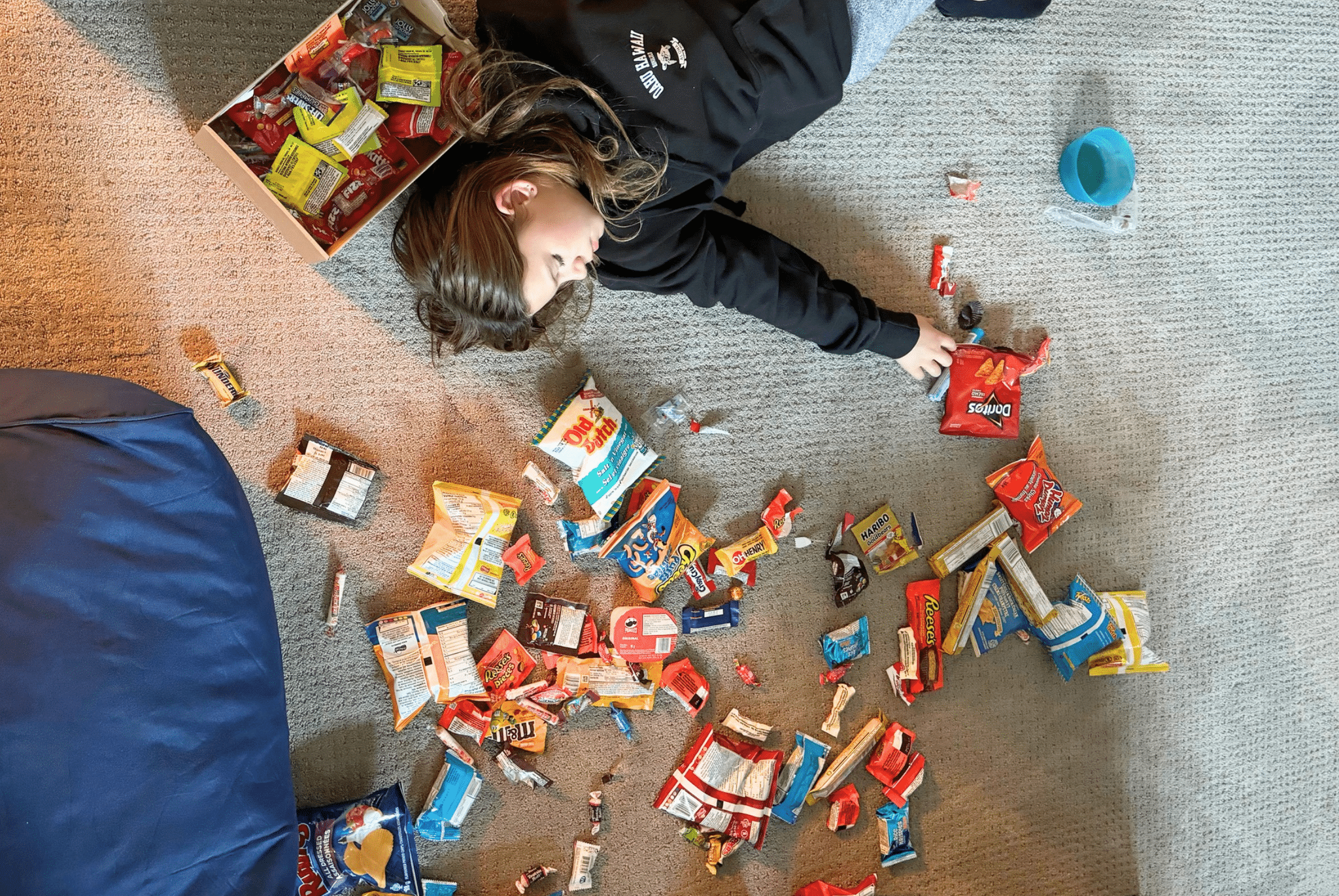
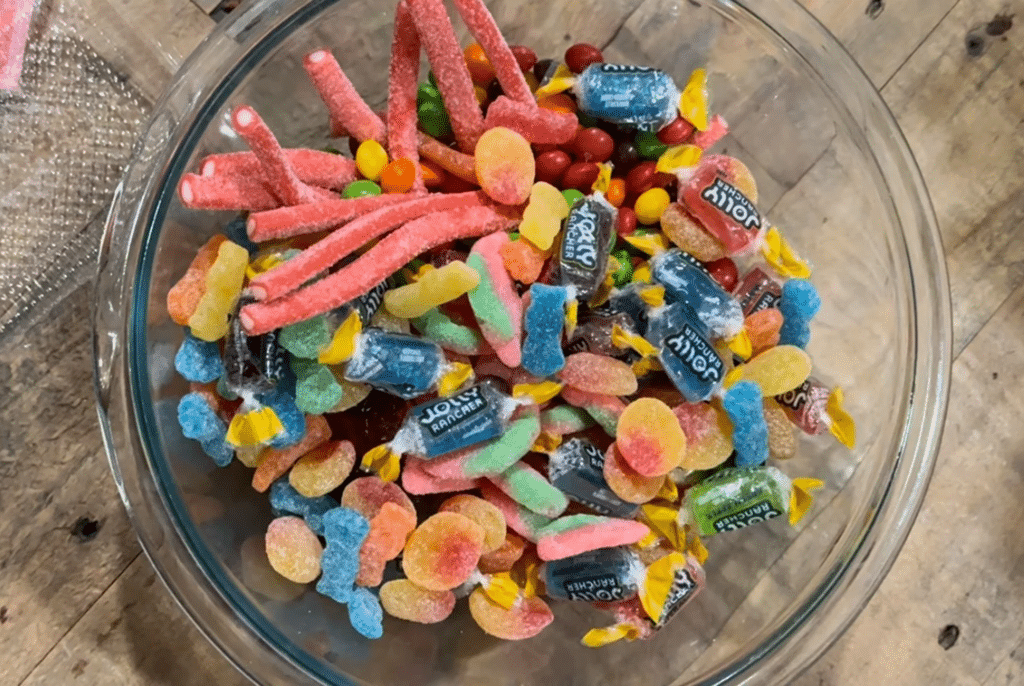
Halloween is such a fun night: the kids getting into their costumes, the excitement and anticipation, the candy haul and, all of the joy! But for many parents, there’s a little voice in the back of their minds wondering, What do I do with all that Halloween candy?
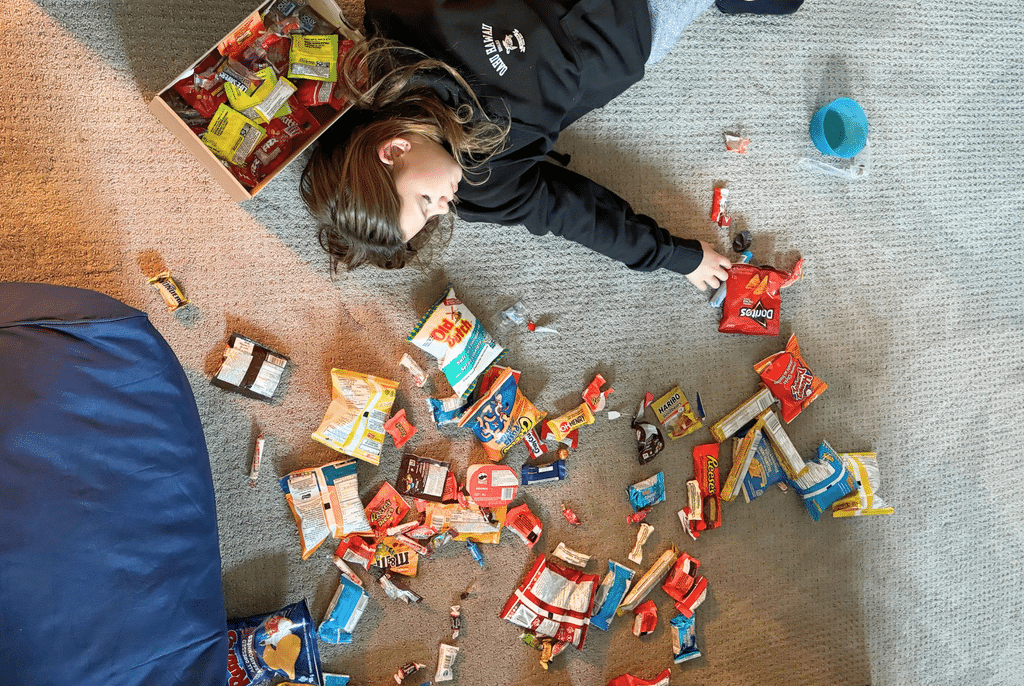
As a dietitian and mom, I get it. Even though I know what NOT to do, I’ve had my own struggles with managing all of the candy. I’ve watched my oldest son devour so much candy that he’s almost been sick (and wanted SO badly to interfere), and have also caught my kids sneaking candy when I had said no. All of this to say that you can have all of the tools and strategies and still find this hard. And that’s ok! We do our best and learn how to manage it better year after year.
And this is important: every child is different when it comes to candy. For example, my daughter absolutely LOVES it and definitely finishes the entire bag before Christmas, whereas my youngest couldn’t care less, and still has an old stash the following Halloween.
Here’s the reassuring part: there’s no one “right” way to handle Halloween candy. And trust me, after many years of trick-or-treating with my own three kids, I’ve learned that the less pressure we put on ourselves (and on the candy), the better. Keep your regular meals and snacks in the mix, make sure younger kids are eating candy safely, and try to talk about Halloween treats in the same calm, matter-of-fact way you would any other food.
Halloween can actually be a great opportunity for kids to enjoy candy, listen to their bodies, and take part in a fun family tradition – without feeling like they need to sneak it, earn it, or feel guilty for loving it.
Why Halloween candy can feel like a big deal
Candy is everywhere on Halloween (as is advice on how to handle it…), so it makes complete sense that parents feel confused and overwhelmed, and might have questions about how to handle it.
- “Are they going to gorge themselves?”,
- “Will dinner be eaten (and what should I make?)?”,
- “Will there be a fight about how much they eat after trick-or-treating?”, and
- “do I let my kid manage their own stash?”. And so on!
Some of these questions might be traced back to our own experiences with candy, dieting, or being told that certain foods were “bad.” It’s okay to notice those feelings, and actually really good to be aware of them. It’s important to figure out how you want to manage candy with your kids with a fresh lens, and not project your potentially diet-culture-driven childhood experience onto them (as hard as this can be!).
A pause can help you decide what you want your child to hear about food, bodies, and candy. If you’re new to the idea, here’s more about what food neutrality means for children.

Can candy make kids hyperactive?
And as a small but important aside, the idea that sugar makes kids hyperactive is false and more complicated than it might seem. A meta-analysis of blinded, controlled studies found no overall effect of sugar on children’s behaviour or cognitive performance, though small effects or effects in some children couldn’t be ruled out.
A newer review found an association between higher sugar-sweetened beverage intake and ADHD-related symptoms, but because the included studies were observational, it can’t show that sugar caused those symptoms. It also doesn’t tell us whether a few Halloween candies cause a child to become hyperactive that evening. Costumes, friends, excitement, and a later bedtime can all be part of a lively Halloween evening.
Parents of children with ADHD may also wonder about food dyes in brightly coloured candy. That’s a separate question from sugar, and the research on food dyes and behaviour is still nuanced. I share more about what we know in my guide to food dyes and behaviour in kids.
For a broader look at sugar and kids including how much is too much and what the research says about hyperactivity read my guide to sugar and kids.
How can I make Halloween easier for my child with ADHD or sensory sensitivities?
Some children with ADHD, and children who find sensory input or transitions challenging, may find the noise, crowds, costume textures, or changes in routine a lot to manage. Previewing the plan—including what will happen when you get home—may help. A comfortable costume, a quieter route, and an agreed-on way to take a break can also make the evening feel more manageable.
Every child is different, so ask what might help them. If you’d like a broader look at nutrition and feeding a child with ADHD, read my guide to nutrition and feeding for children with ADHD.

Get Support That Makes Mealtimes Easier
Struggling with picky eating, mealtime battles, or other food or body image worries? Our team of registered dietitians at Centred Nutrition Collective offers virtual family nutrition counselling across Canada. We’ll help you feel more confident and supported with feeding — and many plans are covered by benefits.
Before trick-or-treating: keep the day familiar
Halloween can throw off the usual schedule, so a little planning can make the evening feel easier.
If supper fits into your family’s timing, offer it as you normally would. Some families eat earlier before heading out; others have a snack or eat when they get home. Both are good – you just have to decide what’s best for your family and your schedule. There’s no need to make supper extra filling to try to prevent your child from eating candy, and candy doesn’t need to be a reward for finishing a meal. Just treat the day like any other.
Your child may be too excited to eat much at supper. That’s normal. You can offer food and let them decide what works for them, knowing there will be another chance to eat later, and understanding that there is extra excitement and anticipation.
If an easy dinner idea would take one thing off your plate, my What’s for Dinner? 15 Quick & Easy Family Meals e-book has quick family-friendly recipes for busy evenings. You can also find more recipes kids ask for again and again in “Can We Make That Again?!” 31 Easy, Nourishing & Kid-Loved Recipes.
Looking for another fun kitchen activity in the days leading up to Halloween? Try my Chocolate Peanut Butter Banana Ghost Pops. Kids can help add the chocolate chip eyes and the ghosts might end up with more than two!
When the candy comes home: do a safety check, then let kids explore
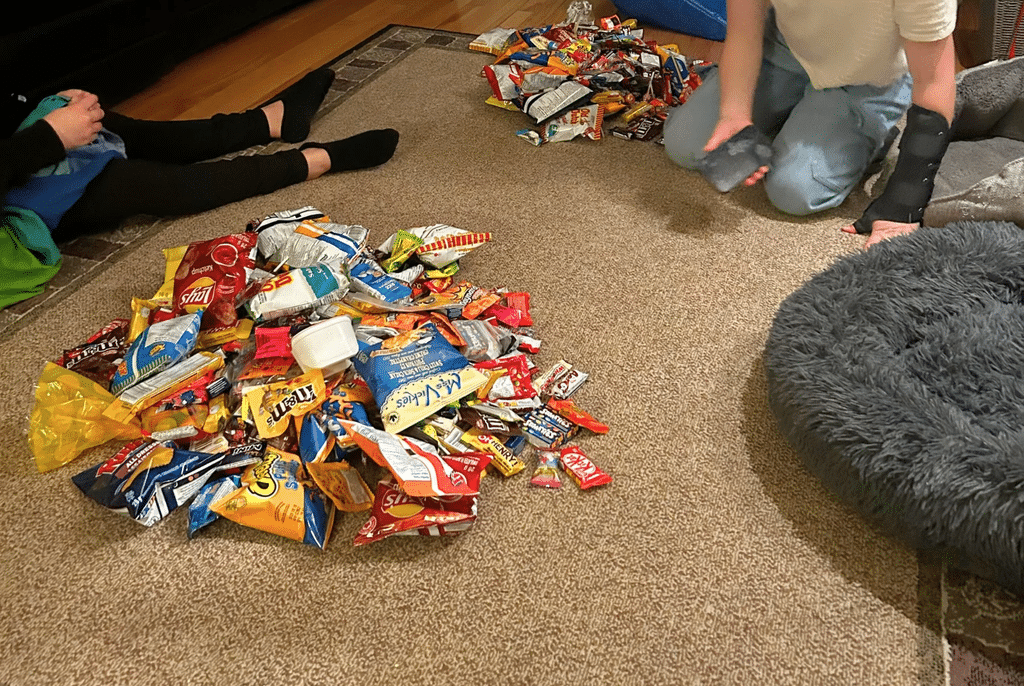
Once everyone is home and warm, you can check the candy together. Health Canada recommends checking treats before children eat them and discarding anything that’s torn, unwrapped, or in loose packaging. You can read more in Health Canada’s Halloween food safety tips. Also follow your family’s usual food-allergy plan.
Safety depends on a child’s age and development, too. Health Canada advises that children under three should not be given small, hard, or chewy candies because of the risk of choking. See Health Canada’s Halloween safety guidance.
I also try to keep the conversation about candy simple and neutral. Candy is candy. Chocolate is chocolate. Calling foods by their names helps keep them from becoming a big secret or a test of willpower.
After the safety check, your child might want to sort through the candy, line it up, trade with a sibling, or put it aside and go play. You can let them take the lead. If they ask for help choosing favourites, you can be curious with them: “Which ones look good to you?” There’s no need to encourage them to try something they don’t want.
For a fun kitchen activity separate from sorting the candy, try making one of these Halloween-themed treats with kids.
How to approach Halloween candy in the days after
The day after Halloween, your kitchen may look a little like mine has many times over the years: candy wrappers on the counter, a giant bag of treats somewhere within reach, and kids asking before breakfast if they can have “just one.” Totally normal.
What works best for our family is getting back to our usual rhythm. We still have breakfast, lunch, dinner, and snacks at our normal times, and Halloween candy can fit into that routine. I don’t make my kids earn it by eating vegetables first, or frame it as something they need to “work off” or get rid of.
There’s no single number of Halloween candies that works for every child or family. Health Canada’s guidance considers highly processed foods, including chocolate and candy, within the overall eating pattern; it doesn’t prescribe a Halloween candy count.
That’s the heart of my Attuned Feeding Framework: more structure when kids are little, more autonomy as they’re ready, and trust throughout. I want to support my kids’ health while also helping them feel safe around food and gradually build the skills and confidence to make their own decisions.
If it isn’t a good time for candy, I might say, “It’s not candy time right now. We’re going to have lunch soon, and you’ll have another chance to enjoy some with your afternoon snack.”
The age ranges below are flexible guides; development, temperament, and family routines vary. You know your child and your family best, so adjust the support to what feels right for you.
An age-by-age guide to how to handle Halloween Candy
Under 3: Keep safety and adult support in mind
For babies and toddlers, adults manage the candy and decide what’s appropriate. As mentioned above, children under three should not be given small, hard, or chewy candies because of the choking risk.
If your toddler is having a treat, choose something they can safely manage and supervise them while they eat. There’s no need to expect a very young child to ration or manage a large stash on their own.
Ages 4–8: Lots of structure, with room to learn
This is often the age when Halloween candy becomes VERY exciting. Your child knows exactly what they collected, has strong opinions about their favourites, and may ask for candy approximately 47 times before lunch.
This is where I like predictability instead of restriction. Keep the candy somewhere accessible to you, but reassure your child that they’ll continue getting opportunities to enjoy it. You might offer some with an afternoon snack, alongside lunch, or after dinner depending on your family routine.
And when they ask at another time, you can absolutely set a boundary: “It’s not candy time right now, but we’ll have another chance with snack.” That combination of structure and reassurance helps candy feel available without letting it become an all-day free-for-all.
Ages 9–11: Start handing over more responsibility
At this age, many kids are ready for more ownership. I might let them decide which candies they want to keep, organize their stash, and have more say in when and how much they eat, while still maintaining your usual family meal and snack rhythm.
This is also a great age for curiosity rather than policing. Instead of, “Whoa, that’s a lot of sugar,” try something like, “How did your tummy feel after eating that much?” or “Which ones are actually worth keeping?”
That invites kids to notice their preferences and body cues without attaching morality to the candy. Your job is still to provide the overall structure and variety of foods at home; their job is increasingly to practise making decisions within it. Health Canada similarly encourages parents not to focus on how much children eat, but to let them decide how much to eat from what is offered.
Ages 12–15: Shift toward trust and autonomy
By the tween and teen years, I really don’t recommend micromanaging the Halloween bag. Teens eat away from us, buy food independently and need opportunities to build real-world eating skills. A parent counting mini chocolate bars at this age can easily create more tension around candy than the candy itself deserves. I can see the eye-rolls already!
Keep providing regular meals and snacks at home, keep a variety of foods available, and let your teen take more responsibility for their stash. You can still have normal household boundaries, like not leaving wrappers all over their bedroom or eating candy five minutes before a family dinner, but those boundaries don’t need to be about controlling sugar.
And if they eat a ton of candy one night? That experience itself can be useful information. They may discover that ten chocolate bars sounded better than they actually felt. You don’t need to lecture, restrict the next day or say, “I told you so.” Just carry on with your regular meals and snacks.
What if my child eats more candy than I expected?
It can feel hard to watch your child eat more candy than you expected, especially when you’re worried they might feel uncomfortable afterward. Try to meet the moment calmly.
If your child says their tummy hurts or they don’t feel well, focus on comfort. You might offer a quiet place to rest or a drink if they want one. You don’t need to say “I told you so” or turn the moment into a lesson about how much candy they should have eaten.
Later, when everyone feels settled, you can talk about what they noticed and what might feel good next time. Keep the conversation curious, not corrective. The goal isn’t to make a child feel bad about eating candy; it’s to help them feel safe talking with you about food and how they feel.
If your child is asking for treats often or seems very focused on them, that can feel stressful too. Here’s a separate guide to what to do when your child seems treat-obsessed.
Should we do the Switch Witch?
The Switch Witch is one Halloween tradition some families use to trade candy for a toy or another treat. Families have different reasons for choosing it, and it can bring up questions about a child’s age, safety, and how the tradition is presented.
I’ve written more about the potential pros and cons in my guide to the Switch Witch. If you’re considering it, that post can help you think through whether it feels like a good fit for your family.
What if I feel guilty about eating Halloween candy?
Parents deserve to enjoy Halloween candy, too. You don’t have to earn a treat, compensate for it, or make a plan to “make up for it” later.
Kids notice how we talk about food and our bodies. When they see us enjoying candy without secrecy or guilt, they learn that treats can be part of life without becoming a source of shame. You can choose the pieces you enjoy, share them, or leave them – whatever feels right to you.
If you catch yourself feeling anxious, try responding to yourself with the same kindness you’d offer your child. Food doesn’t determine your worth, and one Halloween doesn’t define your health.
The goal is a calmer Halloween, not a perfect one
Halloween doesn’t need to become a battle over candy. Offer food in a way that works for your family, keep safety in mind, and try to make candy a normal part of the conversation rather than a source of fear or shame.
Most of all, make room for the fun. Your child will remember the costume, the neighbours, the walk with friends, and the excitement of the night, not whether you had the perfect Halloween candy strategy. If you’d like more support with feeding your family, book a free 15-minute consultation with my Centred Nutrition Collective dietitian team. We’d be happy to talk!


Sarah Remmer, RD, is a registered dietitian and mom of three, specializing in family and pediatric nutrition. She’s the founder of Centred Nutrition Collective and has nearly 20 years of experience helping families feel confident about feeding their kids.
This post may contain affiliate links. View our policy.





Great strategy Sarah! I followed many of these steps with my children with both Halloween and Christmas candy and never had any problems.
Great tips! Love this! Fantastic read on what to do. It can be hard to give up that control as a parent, but teaching principles is so important!
These tips are awesome! Will definitely pass it on to my mummy friends 🙂
Great balanced approach!
These are such great tips for the holiday Sarah! Thanks so much for sharing!
These are really great tips! I love how you included let them enjoy and let them make mistakes! So true!
Everyone says not to make a big deal and they’ll eventually forget about their Halloween candy. But my kids (they were 3 and 4) remembered to have one everyday until they ran out at the end of January! They have great memory abilities. Any advice for avoiding a repeat of 3 months of daily candy without giving candy big status?
Hi Amy! Thanks for reaching out. It sounds like you’re concerned about your kiddos having candy daily, and I hear you! First, it’s totally understandable to feel a bit uneasy about it. I’d get curious as to why this is feeling bothersome for you—sometimes it helps to explore what we might be associating with daily candy. It’s also worth noting that kids, especially at this age, often fixate on certain things simply because they’re exciting or new. One idea is to let candy be just another part of their world without making it a big deal—maybe offering it alongside other snacks or meals so it doesn’t hold a special, “off-limits” status. This can help reduce its allure over time. What do you think about exploring how candy fits into your family’s overall food routine in a way that feels balanced for everyone? If you need further support, our team can help :). https://sarahremmer.com/book-an-appointment/